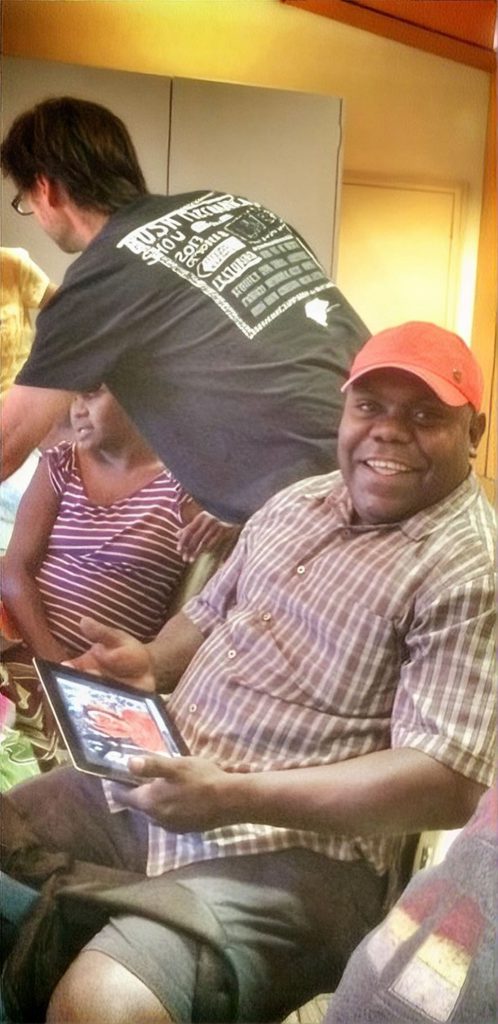
Interplay Project
Project Overview
Interplay between culture, community, empowerment, education, employment, health and wellbeing in remote Aboriginal and Torres Strait Islander communities
The Interplay project concluded in June 2017. It established an evidence base that provides policymakers and business with an objective measure of the complex interrelationships between health, wellbeing, education and economic participation and the role of culture, community and empowerment.
The project developed a wellbeing framework designed in collaboration with Aboriginal community researchers to evaluate the impact of interventions and inform policy in the areas of culture, community, empowerment, education, employment, health and wellbeing
The project had a strong focus on strength-based approaches and the genuine involvement of Aboriginal and Torres Strait Islander people, particularly from remote communities, at all stages of the research including design, planning, data collection, interpretation and reporting. It expanded the definition of education, employment, health and wellbeing beyond mainstream understandings.
As a result of this research, a powerful evaluative tool has been developed to inform and objectively measure the impact of a range of policies and programs. The project was a longitudinal study and will have long-term impact, improving the quality of life for Aboriginal and Torres Strait Islander people living remotely through coordinated transformative change driven by policy and community action, using the rich knowledge derived through the research as a base.
Outputs from this research included:
- A framework and assessment tools to monitor and evaluate the interplay between culture, community, empowerment, education, employment, health and wellbeing in remote Aboriginal and Torres Strait Islander communities
- A preliminary analysis of the interplay and influence of culture, community, empowerment, education, employment and health on wellbeing
- A comparative analysis of the effects of different types and approaches to education and employment on health and wellbeing
- Information for families and communities on ways to improve health and wellbeing through education and employment
- Knowledge for policymakers and service providers on the design and development of policy and practice to achieve improved health and wellbeing outcomes
- Relationships that enable communities to contribute to and derive long-term value from research towards achieving their own future objectives
- Research capacity development for Aboriginal Community Researchers.
Longer-term outcomes are being achieved through uptake of the research results to inform and influence policy and behavioural change.
Research results from this project were disseminated widely, with the project publishing 18 journal papers, presenting at 9 conferences and creating 23 other end-user publications.
Project Outputs
Journal papers
- Cairney S, Abbott T, Quinn S, Yamaguchi J, Wilson B and Wakerman J. 2017. Interplay wellbeing framework: a collaborative methodology ‘bringing together stories and numbers’ to quantify Aboriginal cultural values in remote Australia. International Journal for Equity in Health. 16, 68. doi:10.1186/s12939-017-0563-5.
- Crossin R, Cairney S, Lawrence A and Duncan J. 2017. Adolescent inhalant abuse leads to other drug use and impaired growth; implications for diagnosis. Australian and New Zealand Journal of Public Health. 41, 1. pp. 99-104.
- McRae-Williams E, Yamaguchi J, Wilson B, Schultz R, Abbott T and Cairney S. In press. Interplay Wellbeing Framework: Community perspectives on working together for effective service delivery in remote Aboriginal communities. International Indigenous Policy Journal.
- Schultz R and Cairney S. In press. Integrating health of people and country to enhance wellbeing of Aboriginal and Torres Strait Islander Australians. Medical Journal of Australia.
- Wilson B, Guenther J and Cairney S. 2017. The role of education in the wellbeing of Aboriginal and Torres Strait Islander people from remote communities (Review). Journal of Australian Indigenous Issues. 19, 3. pp. 2-19.
- Wilson B, Quinn S, Abbott T and Cairney S. 2017. The role of Aboriginal literacy in improving English literacy in remote Aboriginal communities: an empirical systems analysis with the Interplay Wellbeing Framework. Educational Research for Policy and Practice. doi: 10.1007/s10671-017-9217-z.
- Abbott T and Cairney S. 2014. Collaboration and capacity development through the employment of Aboriginal community-based researchers [Special issue: Red dirt research in remote Australia]. Journal of Australian Indigenous Issues. 17, 4. pp. 164-67.
- Cairney S and Abbott T. 2014. Aboriginal wellbeing in a ‘Red Dirt Economy’ [Special issue: Red dirt research in remote Australia]. Journal of Australian Indigenous Issues. 17, 4. pp. 5-22.
- Cairney S and Race D. 2014. Speaking in two worlds: an integrated conceptual framework to enhance understanding across cultures [Special issue: Red dirt research in remote Australia]. Journal of Australian Indigenous Issues. 17, 4. pp. 152-57.
- Cairney S, O’Connor N, Dingwall K, Maruff P, Shafiq-Antonacci R, Currie J and Currie B. 2013. A prospective study of neurocognitive changes 15 years after chronic inhalant abuse. Addiction. 108, pp. 1107-14. doi.
- Campbell D. 2012. Exploring the impact of psychosocial factors on health outcomes in the economic choice between short-term self-gratification and self-investment in education.CRC-REP Working Paper CW006. Ninti One Limited. Alice Springs.
- Dingwall K and Cairney S. 2011. Detecting psychological symptoms related to substance abuse among Indigenous Australians. Drug and Alcohol Review. 30, 1. pp. 33-39. doi.
- Dingwall K and Cairney S. 2011. Recovery from central nervous system changes following volatile solvent misuse [Review]. Substance Use and Misuse. 46 Suppl, 1. pp. 73-83.
- Dingwall K, LIndeman M and Cairney S. 2014. “You’ve got to make it relevant”: barriers and ways forward for assessing cognition in Aboriginal clients. BMC Psychology. 2, 13. doi.
- Dingwall K, Maruff P and Cairney S. 2011. Neuropsychological problems and alcohol availability key factors in continued heavy alcohol use for Aboriginal Australians [Letter]. Medical Journal of Australia. 94, 1. pp. 50-51.
- Dingwall K, Maruff P and Cairney S. 2011. Similar profile of cognitive impairment and recovery for Aboriginal Australians in treatment for episodic or chronic alcohol use. Addiction. 106, 8. pp. 1419-26. doi.
- Dingwall K, Maruff P, Fredrickson A and Cairney S. 2011. Cognitive recovery during and after treatment for volatile solvent abuse. Drug and Alcohol Dependence. 118, 2-3. pp. 180-85.
- Priest N, Paradies Y, Gunthorpe W, Cairney S and Sayers S. 2011. Racism as a determinant of social and emotional wellbeing for Aboriginal Australian youth. Medical Journal of Australia. 194, 10. pp. 546-50.
Conference presentations
- Cairney S. 2017. Interplay Wellbeing Framework: ‘Bringing together stories and numbers’ to empirically measure Aboriginal cultural values in remote Australia. 15th World Congress on Public Health. 3-7 April. Melbourne.
- Cairney S. 2017. Panel presentation: Evidence and wellbeing (the Interplay Wellbeing Framework: Building the evidence on pathways to wellbeing with community indicators from Aboriginal and Torres Strait Islander people in remote Australia). National Indigenous Research Conference. 20-22 March. AIATSIS and University of Canberra. Canberra.
- McRae-Williams E, Abbott T and Cairney S. 2017. Beyond the white Toyota: Searching for meaningful engagements with remote Aboriginal Australia. National Indigenous Research Conference. 20-22 March. AIATSIS and University of Canberra. Canberra.
- Cairney S. 2017. Communicating neuroscience across cultures in remote Aboriginal communities with Brain Stories and No Smokes. Australian Science Communicators Ninth National Conference. 23-24 February. Adelaide.
- Cairney S. 2016. Interplay Wellbeing Framework: Cultural indicators and the holistic nature of Aboriginal health. National Primary Health Care Conference: Primary health care – building a strong preventative foundation for a healthy Australia. 23-25 November. Melbourne.
- Cairney S, Abbott T, Wilson B and Quinn S. 2016. Social, cultural and empowerment indicators from the Interplay Wellbeing Framework for Aboriginal and Torres Strait Islander people in remote Australia. The Lowitja Institute International Indigenous Health and Wellbeing Conference: Identity, Knowledge, Strength. 8-10 November. Melbourne.
- Cairney S. 2016. How do you measure the value of culture? Bringing together stories and numbers with the Interplay Wellbeing Framework. 5th Rural and Remote Health Scientific Symposium. 6-7 September. Old Parliament House, Canberra.
- Cairney S, Abbott T, Wilson B and Quinn S. 2015. Social and culture indicators from the Interplay Wellbeing Framework for Aboriginal and Torres Strait Islander people in remote Australia. The Australia New Zealand Society for Ecological Economies Conference, Thriving Through Transformation – Local to Global Sustainability. 19-23 October. Armidale, NSW. (slideshare presentation)
- Cairney S, Abbott T and Wilson B. 2015. The Interplay Wellbeing Framework and its use of social and cultural indicators to assess the wellbeing impacts of Aboriginal Ranger programs in WA and NT. People, Parks and Wellbeing Conference, Government of South Australia and National Parks South Australia. 14 August. Adelaide. (slideshare presentation)
Other end-user publications and presentations
- Cairney S. 2017. Interplay Wellbeing Framework for Aboriginal and Torres Strait Islander people in remote Australia: Bringing together stories and numbers. Ninti One Limited. Alice Springs.
- Cairney S, Abbott T and Yamaguchi J. 2015. Study protocol: the Interplay Wellbeing Framework and methodology to assess wellbeing in Aboriginal and Torres Strait Islander people in remote Australia. CRC-REP Working Paper CW024. Ninti One Limited. Alice Springs.
- Lovell J. 2014. ‘When the studio left the room: what do Wallace’s paintings and stories of the Eastern Arrernte homelands reveal?’. PhD. Faculty of Education, Science, Technology & Maths. University of Canberra. Canberra.
- Nguyen O and Cairney S. 2013. Interplay between education, employment, health and wellbeing for Aboriginal and Torres Strait Islander people in remote areas: working towards an Aboriginal and Torres Strait Islander wellbeing framework. CRC-REP Working Paper CW013. Ninti One Limited. Alice Springs.
- Colquhoun S and Dockery AM. 2012. The link between Indigenous culture and wellbeing: Qualitative evidence for Australian Aboriginal peoples. CLMR Discussion Paper Series Centre for Labour Market Research and School of Economics and Finance, Curtin University Perth.
- Cairney S and Abbott T. 2015. CRC-REP’s Interplay Project – Indigenous Research Roundtable, Sydney 2015. Approaching Indigenous research – ethics, protocols and the implications of collaborations. 2-4 February. World Universities Network Indigenous Research Network. Sydney. (slideshare presentation).
- Cairney S and Abbott T. 2014. Interplay Project. National Indigenous Research and Knowledges Network (NIRAKN) Chief Investigators Meeting. 16 December. Adelaide. (slideshare presentation)
- Partner briefing session (May 2012)
- Poster series: Interplay Framework information for policy makers
- Lightening talk: How do you measure the value of culture? Bringing together stories and numbers with the Interplay Wellbeing Framework
- Project Update, April 2015 here.
- About the Interplay Project, watch our short YouTube video here.
- About the Interplay Framework, watch our short YouTube video here.
- Ninti One Limited. 2014. Ninti One 10th anniversary event A1 poster: Interplay Between Health, Wellbeing, Education and Employment project. 8 August, Parliament House, Canberra.
- Ninti One Limited. 2013. Interplay between Health, Wellbeing, Education and Employment – Community information sheet. Ninti One Limited. Alice Springs.
- Poster 1: Hollistic wellbeing
- Poster 2: Culture
- Poster 3: Literacy
- Poster 4: Empowerment
- Poster 5: Hollistic health services
- Poster 6: Service Delivery
- TedX Talk St Kilda
- Need a quick reference document about this project? Download the project postcard.
More Research Projects
Population Mobility and Labour Markets

Enduring Community Value from Mining

Climate Change Adaptation and Energy Futures
Aboriginal Cultural Enterprise
Aboriginal and Torres Strait Islander Art Economies
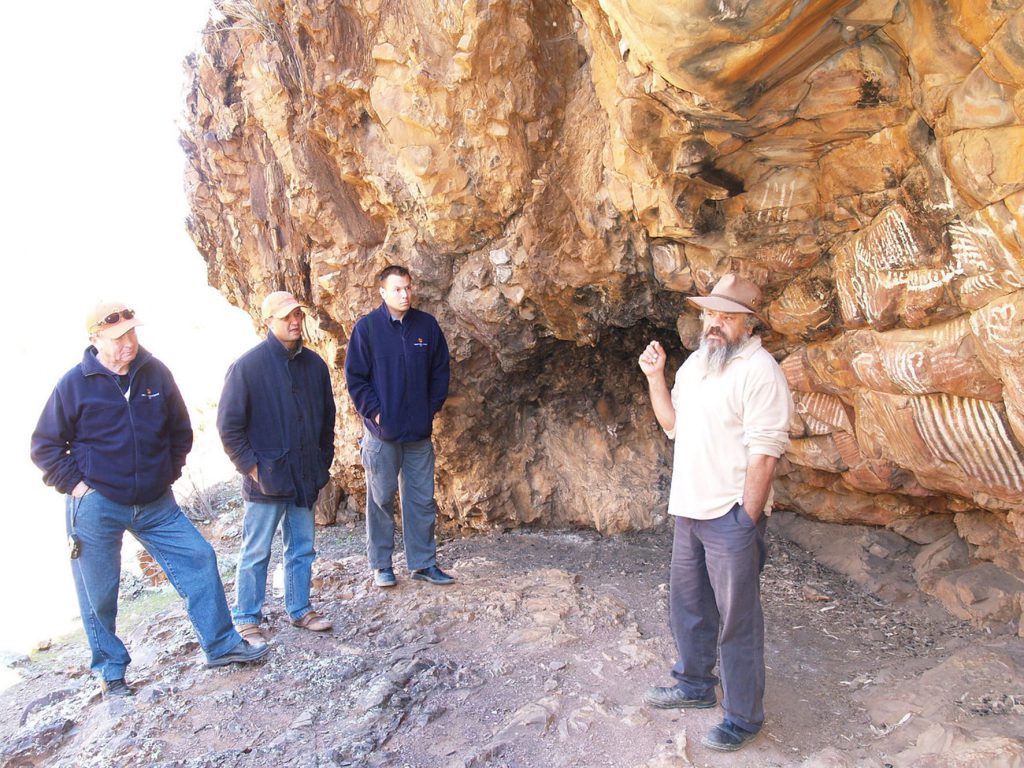
Aboriginal and Torres Strait Islander Tourism Product

Plant Business
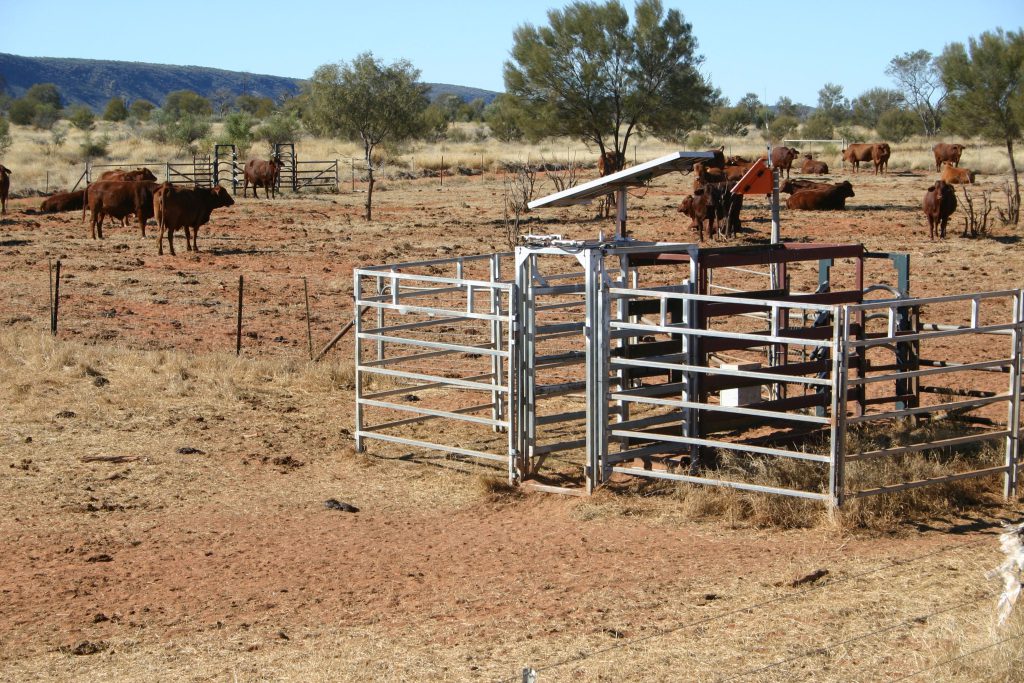
Precision Pastoral Management Tools
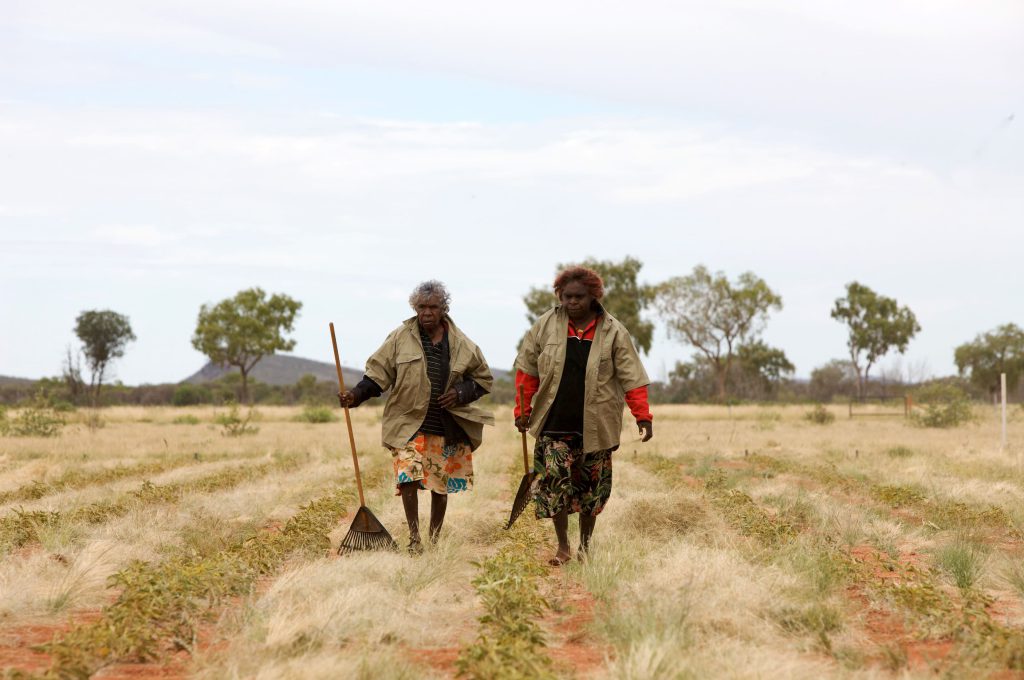
Pathways to Employment
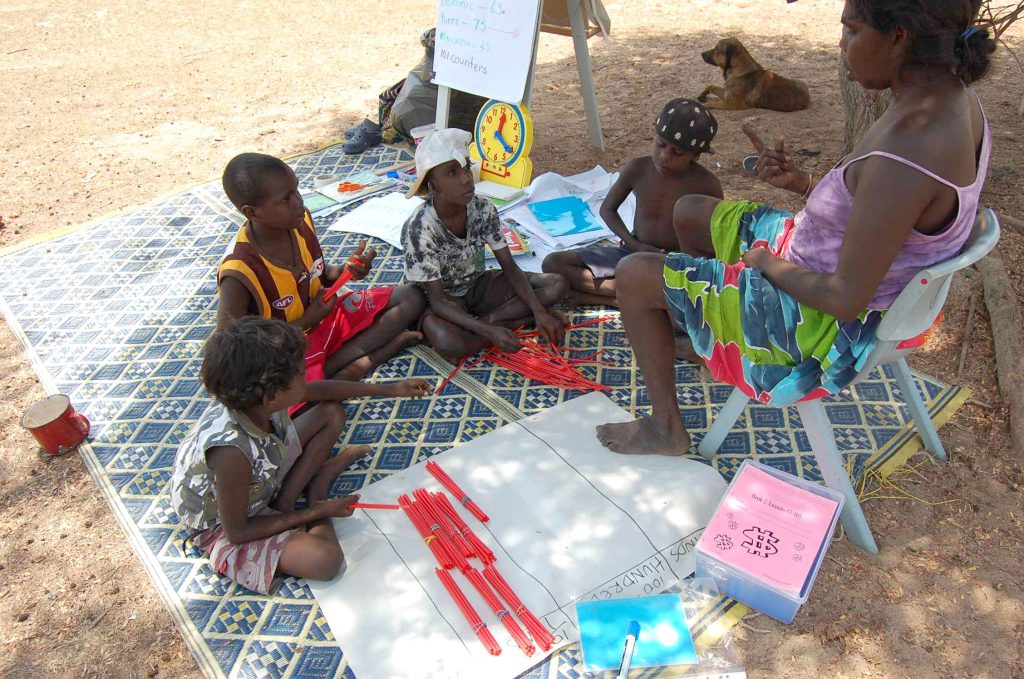
Remote Education Systems